
Airflow Systems Built for Everyday Use
Residential Sheet Metal Services in Rhode Island for homes with aging ductwork or rooms that never reach the right temperature
Sheet Metal and More handles residential fabrication and installation work that directly affects how air moves through your home. The service covers ductwork, ventilation components, and fittings built to match your existing layout, whether you're finishing a basement, replacing damaged sections, or upgrading an HVAC system that no longer distributes air evenly. Properly fabricated materials reduce air leaks, balance airflow across rooms, and extend system lifespan by reducing strain on heating and cooling equipment.
Custom fabrication accounts for layout constraints in older homes where standard prefabricated duct sections don't fit, and where proper sealing matters for keeping conditioned air from escaping into crawl spaces or walls. Rhode Island's seasonal swings from humid summers to freezing winters demand materials that won't warp, corrode, or develop gaps that compromise system performance over time.
Request a property walkthrough to review current duct condition and discuss material options suited to your home's airflow needs.
What Proper Ductwork Requires
Residential sheet metal work starts with measuring existing system layouts, airflow requirements, and structural constraints like ceiling height, joist spacing, and access points. Fabrication uses gauged metal cut and formed to exact dimensions, then sealed at joints to prevent air loss. Fittings connect sections at angles that minimize turbulence and maintain consistent airflow from the furnace or air handler to each register throughout the home.
After installation, you'll notice rooms heat and cool more evenly, registers deliver stronger airflow, and your system runs for shorter cycles because conditioned air reaches its destination instead of leaking into unfinished spaces. Background noise from rattling or whistling ducts typically disappears once sections are secured and joints sealed properly.
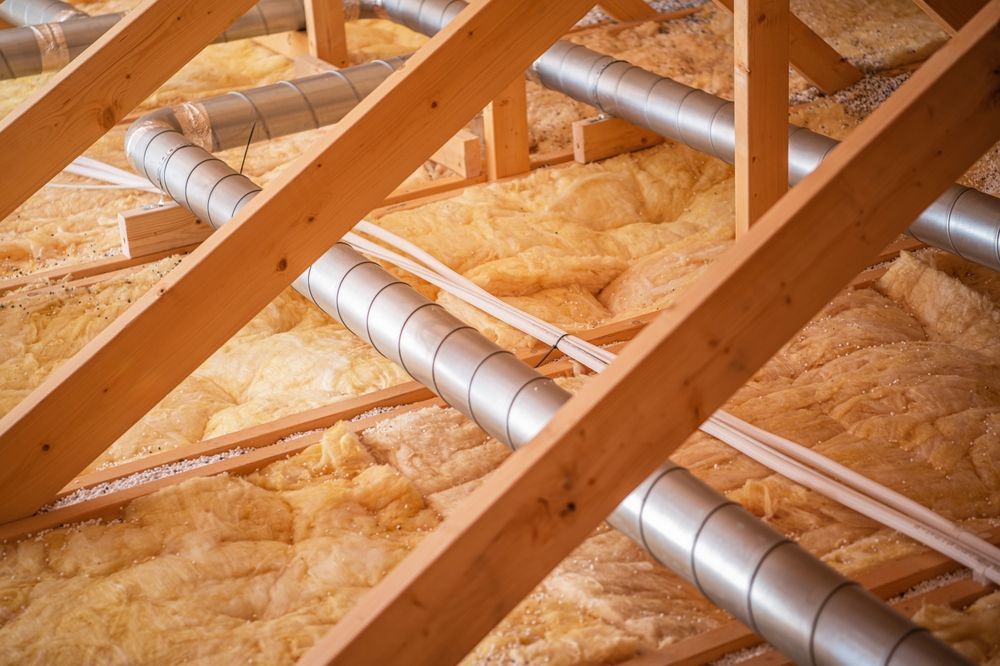
The work includes removing outdated ductwork when necessary, routing new sections to avoid interference with plumbing or electrical lines, and coordinating register placement with room layouts. Insulation may be added to duct runs passing through unconditioned spaces to prevent condensation and maintain temperature control from system to outlet.
What Homeowners Usually Ask
Residential sheet metal projects often raise questions about materials, timing, and long-term performance. These answers address common concerns based on typical installation scenarios.
What determines the right gauge metal for residential ductwork?
Thicker gauges resist denting and vibration better, especially for main trunk lines carrying high airflow volumes, while lighter gauges work for branch lines feeding individual rooms. Your home's system size and duct length influence the choice.
How does Rhode Island humidity affect ductwork lifespan?
Galvanized metal resists rust formation better than bare steel in humid climates, particularly for ducts running through basements or crawl spaces where moisture levels stay higher year-round. Proper sealing at joints prevents condensation buildup inside ducts during cooling season.
When should you replace ductwork instead of repairing sections?
Replacement makes sense when existing ducts show widespread corrosion, multiple air leaks, or undersized sections that restrict airflow to the point where your HVAC system runs constantly without reaching setpoint temperatures.
What happens during a ductwork upgrade for a finished basement?
New ducts route along ceiling joists before drywall installation, with registers placed to match furniture layouts and traffic patterns. Insulated flex duct may connect rigid metal trunks to registers where routing around obstacles requires flexibility.
How do you know if airflow issues stem from ductwork or the HVAC unit itself?
Weak airflow at registers combined with visible gaps or disconnected sections points to duct problems, while a system that cycles frequently but produces little temperature change often indicates equipment sizing or performance issues rather than duct faults.
Sheet Metal and More provides detailed guidance on material selection and system layout before work begins. Schedule a consultation to review your current system and discuss options for improving airflow throughout your home.