
Appliances That Perform Without Hidden Risks
Dryer Vent Cleaning in Rhode Island for lint accumulation that slows drying cycles and creates fire hazards
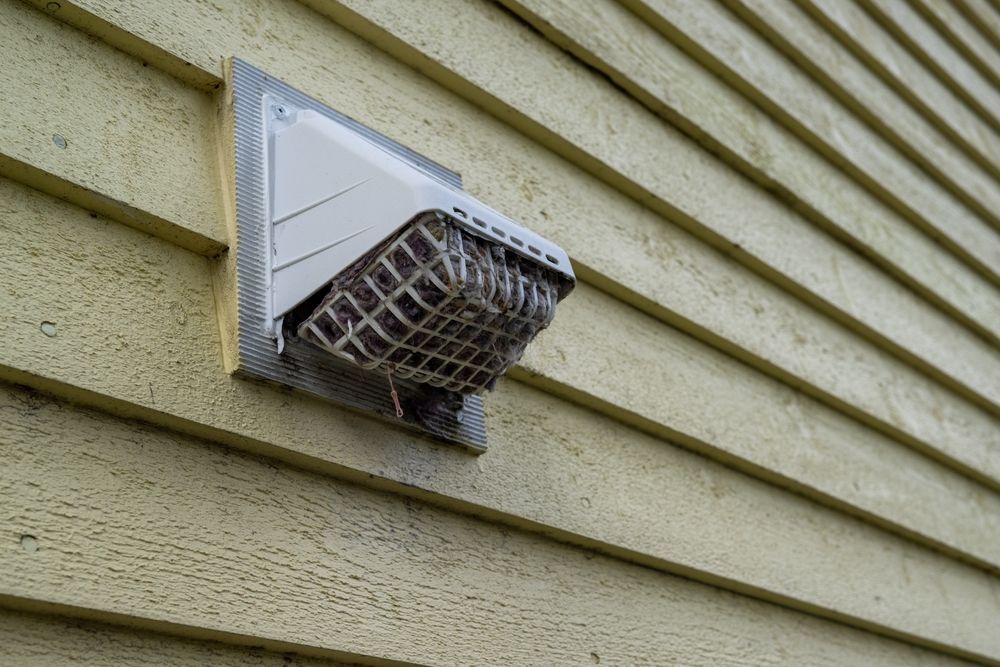
Lint buildup inside dryer vents restricts airflow, forcing your appliance to work harder while drying clothes less effectively. Sheet Metal and More removes accumulated lint from the full length of the vent system, restoring proper exhaust function and reducing the risk of overheating. This service matters most for households that notice extended drying times, unusually hot exterior vent covers, or a burning smell during operation.
The cleaning process involves accessing both the interior vent connection and the exterior termination point, then using specialized brushes and high-velocity air tools to dislodge lint trapped along the duct walls. In homes with longer vent runs or multiple bends, lint compacts into dense layers that standard household cleaning cannot reach. Property managers scheduling routine maintenance typically see fewer service calls related to appliance performance after this work is completed.
Schedule a vent inspection to assess current buildup levels and determine appropriate cleaning intervals for your property in West Warwick, Newport, Warwick, and surrounding areas.
What Happens When Airflow Returns to Normal
The technician disconnects the dryer from the vent line, inspects the interior connection for damage or improper installation, and measures the vent length to select the correct brush diameter. Flex ducts with ribbed interiors trap more lint than smooth metal ducts, often requiring multiple passes to remove compacted material. The entire vent path is cleared from the appliance to the exterior hood, including any vertical sections or transition fittings.
After cleaning, you notice clothes drying in a single cycle instead of requiring multiple runs, and the exterior vent flap moves freely with visible airflow during operation. The appliance exterior stays cooler to the touch, and the laundry area no longer feels humid or overheated after use. Utility costs drop as the dryer motor no longer strains against restricted exhaust pressure.
Some properties require vent modifications if the existing configuration includes excessive length, sharp turns, or improper materials like foil transition ducts that violate current building codes. Homes built before updated fire safety standards may benefit from replacing plastic or vinyl vent sections with rigid metal ducting. These upgrades reduce future lint accumulation and provide better protection against heat transfer to surrounding building materials.
Questions Before Starting Your Project
Homeowners and facility managers often ask about cleaning frequency, visible warning signs, and what the service includes beyond basic lint removal.
How often does a dryer vent require cleaning?
Metal duct doesn't support combustion, maintains its shape without sagging, and has smooth interiors that resist lint accumulation compared to ribbed plastic or foil.
How does vent length affect dryer performance and fire risk?
Longer vents reduce exhaust velocity, which allows lint to settle inside the duct and forces the dryer to run longer, generating more heat and additional lint.
Why do building codes in Rhode Island Warwick specify maximum vent lengths and turn limits?
These restrictions maintain sufficient airflow velocity to carry moisture and lint out of the building, preventing the accumulation that causes fires and performance problems.
What happens when dryer vents terminate in crawl spaces or attics instead of exterior walls?
Moisture discharge into enclosed building cavities causes mold growth, insulation damage, and structural rot while creating a concentrated lint deposit that presents a fire hazard.
How often should dryer vents be inspected after installation?
Annual inspection of the exterior termination and periodic interior inspection ensure the vent remains clear and functional, though properly installed metal vents require far less maintenance than flexible alternatives.
Sheet Metal and More handles dryer vent installation across Rhode Island with attention to code compliance, efficient routing, and long-term safety. Get in touch to discuss your dryer vent requirements and schedule installation that meets current building standards while supporting optimal dryer performance.