Systems Built for Reliable Performance
HVAC replacements in Rhode Island for properties with outdated equipment affecting comfort and operating costs
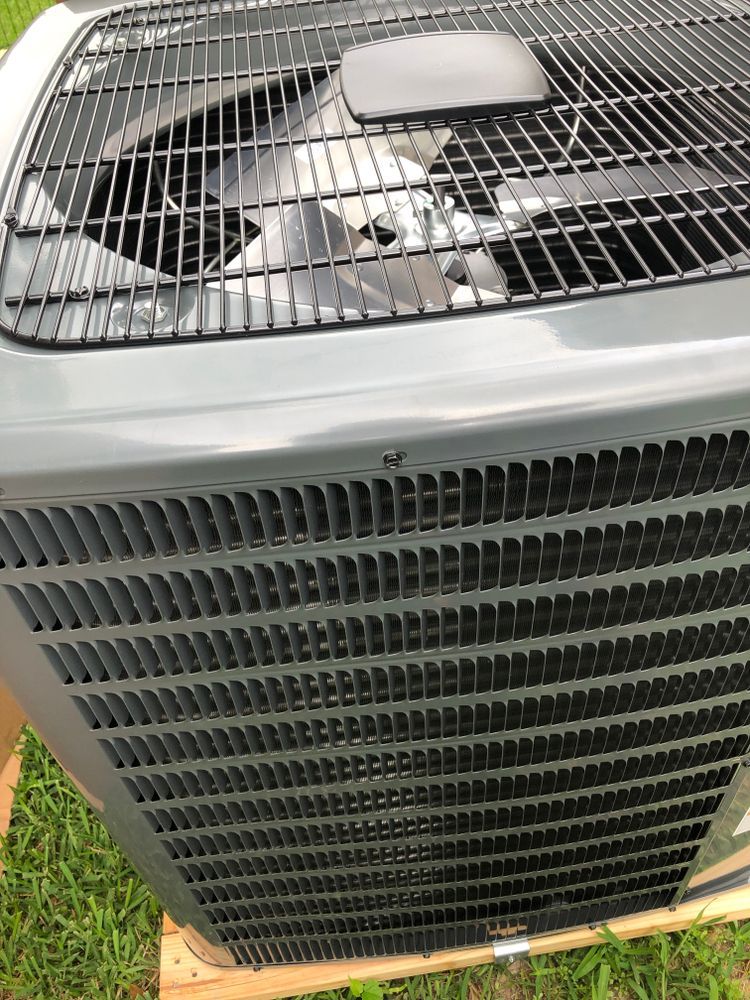
Units that cycle constantly, fail to maintain set temperatures, or require frequent repairs signal that the system has reached the end of its functional lifespan. Sheet Metal and More replaces inefficient or failing HVAC equipment throughout West Warwick, Newport, Providence, and surrounding areas, removing old units and installing systems matched to the building's actual heating and cooling load. Rhode Island's humid summers and cold winters demand equipment that handles both seasonal extremes without excessive runtime or capacity loss.
Replacement begins with evaluating the property's size, insulation quality, window exposure, and existing ductwork capacity to determine the appropriate system tonnage and configuration. Installing an oversized unit causes short cycling and humidity problems, while undersized equipment runs continuously without reaching comfort levels. The old system is disconnected, removed, and the new unit is positioned, connected to refrigerant lines, and integrated with existing or upgraded ductwork.
Request an on-site evaluation to review your current system's performance and discuss replacement options.
What Proper Sizing Requires
Selecting the right HVAC system involves calculating heat gain and loss for the specific building, not simply matching the tonnage of the unit being removed. Buildings settle, insulation degrades, and usage patterns change over time, so the load calculation must reflect current conditions. Sheet Metal and More performs load assessments that account for window orientation, occupancy levels, and duct layout to prevent the sizing errors that lead to poor humidity control and uneven temperatures.
After replacement, temperature swings between rooms decrease noticeably because the new system delivers airflow that matches the building's actual demand. Humidity levels stabilize during cooling season, and the unit reaches set temperature without running continuously. Energy consumption drops when the equipment no longer compensates for inefficiency with extended runtime.
Replacement work often includes ductwork modifications when the new system's airflow characteristics differ from the old unit, particularly when upgrading from single-stage to variable-speed equipment. The installation also addresses refrigerant line placement, condensate drainage, and thermostat compatibility to support the new system's full functionality.
Questions About Replacing Your HVAC System
Homeowners and property managers in West Warwick and neighboring communities frequently ask about the practical considerations involved in system replacement.
How do you determine what size HVAC system a building actually needs?
A Manual J load calculation accounts for square footage, insulation values, window area, ceiling height, and occupancy to determine precise heating and cooling requirements.
What happens to the old equipment after it's removed?
The unit is disconnected according to refrigerant recovery regulations, then removed from the property and processed through appropriate disposal channels.
Why does ductwork sometimes need modification during HVAC replacement?
Newer systems often move air at different volumes or pressures than older units, so duct sizing and layout may require adjustment to prevent noise, uneven airflow, or efficiency loss.
When should replacement happen rather than continuing to repair an aging system?
Once repair costs approach half the replacement cost or the unit exceeds its expected lifespan and shows declining efficiency, replacement typically provides better long-term value.
How does Rhode Island's climate affect system selection for year-round performance?
Equipment must handle high humidity during summer cooling and maintain heating capacity during extended cold periods without excessive defrost cycling or efficiency drop.
Sheet Metal and More coordinates complete system replacement from initial assessment through final testing, including guidance on equipment selection based on your property's specific conditions. Arrange a consultation to discuss your current system's performance and explore replacement options designed for reliable operation in local climate conditions.